
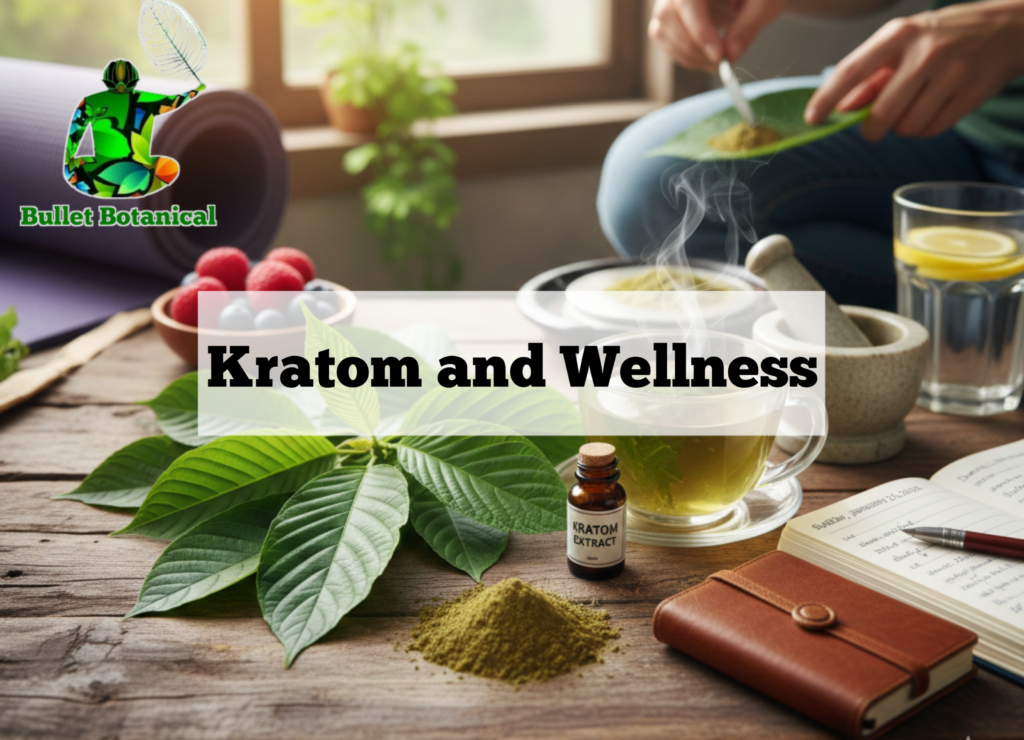
Kratom (Mitragyna speciosa) is a tropical plant traditionally used in Southeast Asia for centuries to support energy, mood, and overall well-being. Modern research explores its potential wellness benefits, including mood enhancement, energy support, and minor discomfort management. Understanding kratom’s effects, safety, and regulatory context is key for responsible wellness use.
Kratom’s wellness effects are largely due to its natural alkaloids, primarily mitragynine and 7-hydroxymitragynine, which interact with opioid receptors and influence mood, energy, and perception of discomfort.
Key factors affecting effects:
Studies and anecdotal reports suggest kratom may support mood by affecting neurotransmitters like serotonin and dopamine. Users often report improved alertness and positivity.
Best practices for mood support:
White vein kratom is commonly used to enhance energy and focus. Traditional use among Southeast Asian laborers illustrates its stimulant-like effects at low doses.
Tips for safe energy use:
Kratom may help manage minor discomfort through interaction with opioid receptors, offering relief without the same level of sedation as traditional opioids.
Guidelines for wellness use:
Kratom is regulated differently globally. In the U.S., some states, like Ohio, classify kratom as a controlled substance. Safety involves quality sourcing, proper dosing, and avoiding substance interactions.
Safety tips:
Kratom works best alongside healthy habits:
Integrating kratom with lifestyle practices may enhance wellness benefits and improve consistency of effects.
While preliminary findings are promising, more clinical trials are needed to confirm kratom’s effects on wellness. Future studies should focus on:
Kratom offers potential wellness benefits for mood, energy, and minor discomfort when used responsibly. Evidence is growing, but responsible sourcing, proper dosing, and healthy lifestyle integration remain essential. Kratom should be considered a complementary wellness tool, not a replacement for medical care.
Bullet Botanical, we strive to provide the best quality Kratom. We guarantee our products are lab tested, and if you have any questions, please feel free to contact us anytime.
WhatsApp us
